
Cytokines, Chemokines and Growth factors
Chemsis provides a wide range of recombinant cytokines and growth factors include interleukins, VEGFs, PDGFs, EGFs, interferons, TNFs, and CSFs. GMP-grade available.
Cytokines, Chemokines & Growth Factors
Cytokines are a large group of low molecular weight proteins, polypeptides or glycoproteins that are secreted by various immune cells including macrophages, lymphocytes and mast cells, as well as other cell types such as endothelial cells. They play important roles in regulating cell growth, differentiation, and activation, and are involved in many aspects of both innate and adaptive immune responses. Cytokines include interleukins, chemokines, interferons and other signalling molecules
Chemsis offers a comprehensive array of recombinant cytokines tailored for cell culture to advance research in tumor immunotherapy, stem cell therapy, drug screening, and regenerative medicine.
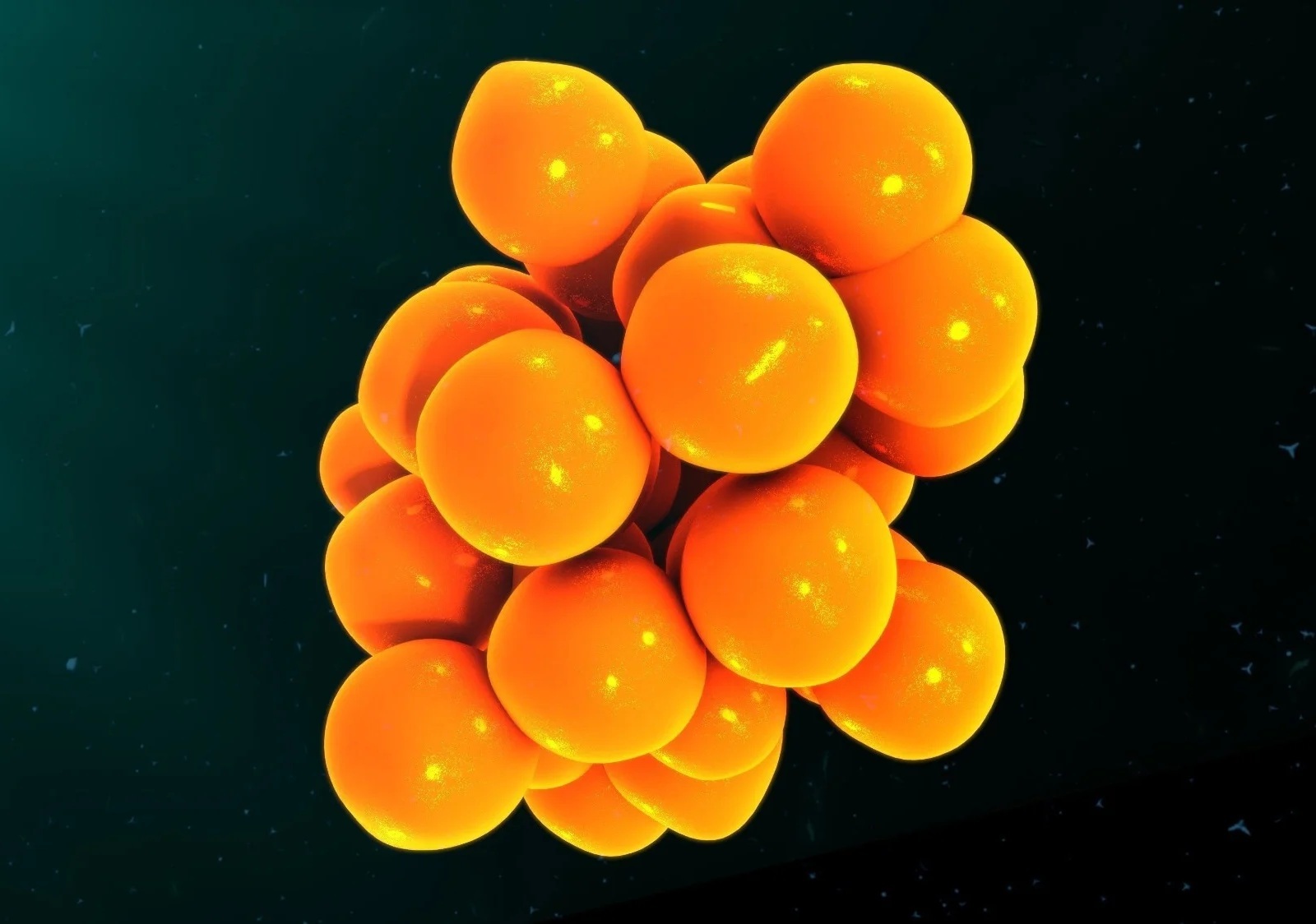
Growth factors are extracellular polypeptides that bind to cell surface receptors and trigger intracellular signaling cascades, resulting in cell proliferation and/or differentiation. Growth factors can be versatile, stimulating growth in a variety of different cell types (for example IGF-1), whilst others are cell-specific (for example erythropoietin acts solely on erythrocytes).
Cytokines and growth factors are signaling molecules that bind to specific receptors on the surface of their target cells and induce signaling pathways.
We offer a complete range of recombinant proteins that undergo our rigorous quality testing to ensure both high activity and lot-to-lot consistency.
Cytokine and Growth Factor Families
| Interleukins | TGF-beta SF | Chemokines |
| FGFs | Wnts | IGFs |
| VEGFs | CSFs | Angiopoietins |
| EGFs | PDGFs | TNF SF |
| R-Spondin | IFNs | BDNF |
| SCF | Flt-3 Ligand | LIF |
Interleukins
Interleukins are secreted cytokines that have complex immunomodulatory functions including cell proliferation, maturation, migration, adhesion, differentiation and activation.
TGF-beta Superfamily – Activin, BMPs, GDFs, GDNF, TGF-beta
Members of the transforming growth factor-beta (TGF-beta) superfamily are important for the development of multicellular organisms. The TGF-beta superfamily signals via heteromeric complexes of type 1 and type 2 serine/threonine kinase receptors.
Chemokines
Chemotactic cytokines (Chemokines) play important roles in cell migration, immune system development and homeostasis. Chemokines are organized into four sub-families—CC, CXC, CX3C and XC—which indicate the variation in the configuration of cysteines closest to the N terminus.
FGFs
Fibroblast growth factors (FGFs) were originally identified in the context of promoting fibroblast proliferation.
EGFs
EGF and other EGFR ligands (transforming growth factor alpha, amphiregulin, epiregulin, betacellulin, heparain-binding EGF-like growth factor and epigen) all induce EGFR internalization and trafficking to early endosomes.
Wnts
The Wnt family of secreted growth factors are hydrophobic proteins that mediate contact-dependent or short-distance cell-cell communication.
IGFs
Although Insulin-like growth factors (IGFs), are structurally similar to insulin, they tend to be more important for mediating long-term activities such as cell fate, while insulin is more important for metabolic activity.
VEGFs
Vascular endothelial growth factors (VEGFs) play important roles in blood vessel formation, maintenance, and remodeling. The VEGF subtypes A-F are high-affinity ligands for the receptor tyrosine kinases, VEGF receptors (VEGFRs).
CSFs (GM-CSF, M-CSF, G-CSF)
There are four known colony-stimulating factors (CSFs) that are also known as hematopoietic growth factors. These include granulocyte-macrophage-CSF (GM-CSF), macrophage colony formation CSF (M-CSF), granulocyte-CSF (G-CSF) and multi-CSF, also known as interleukin-3 (IL-3).
PDGFs
Platelet-derived growth factor (PDGF) has been shown to promote the proliferation, survival, and migration of cells of mesenchymal origin.


